
Anatomy and Survival: How Cockroaches Adapt to Human Environments
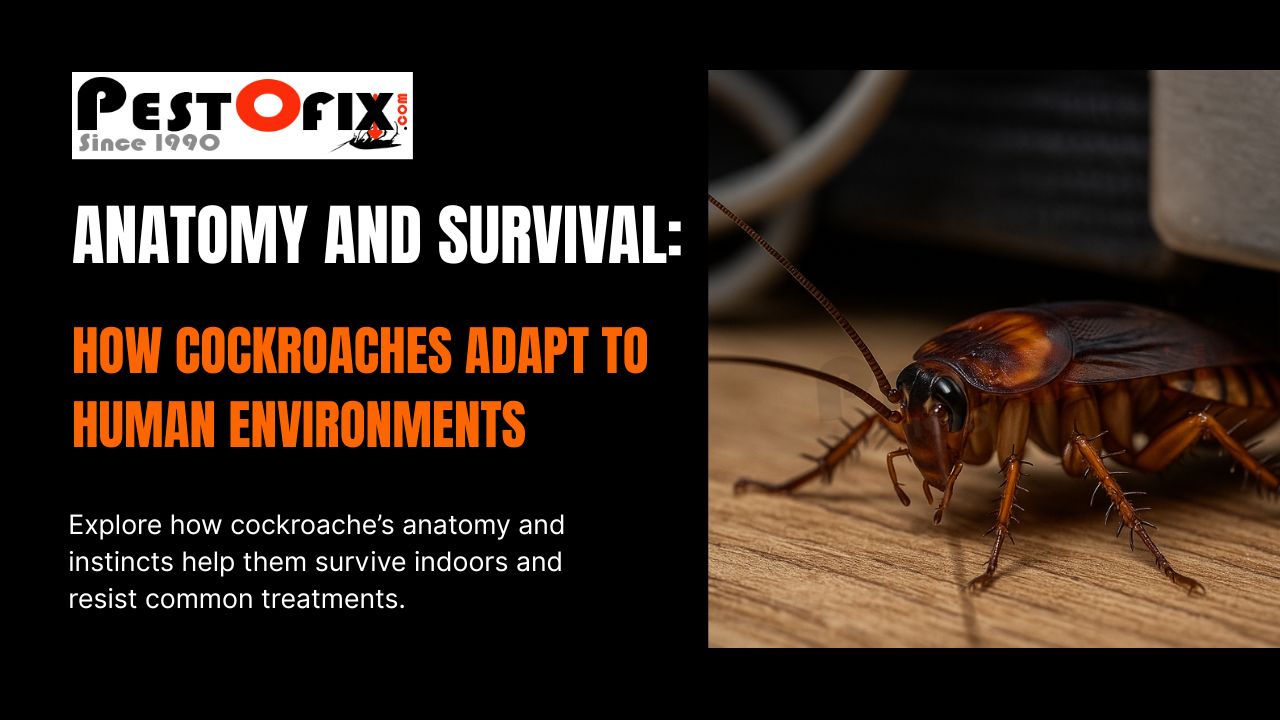
Anatomy and Survival: How Cockroaches Adapt to Human Environments
Cockroaches are among the oldest and most resilient insect species on Earth. Fossil records trace their existence back more than 300 million years — long before the age of dinosaurs. Their continued survival in modern homes and cities is a result of biological perfection: an anatomy built for durability, behavior evolved for survival, and instincts sharpened through adaptation. Understanding how these insects thrive in human environments helps us uncover why they are so difficult to eliminate and why professional pest management remains the most reliable solution.
To the untrained eye, cockroaches may appear like any other crawling pest. But a closer examination reveals an astonishing survival machine — capable of surviving weeks without food, reproducing rapidly, and adapting to almost any environment, from tropical forests to air-conditioned apartments. This guide explores every aspect of a cockroach’s anatomy, behavior, and adaptation strategy — and how modern pest control experts like Pestofix use this knowledge to control them effectively and safely.
The Evolutionary Design of a Survivor
Every physical feature of a cockroach has evolved with one goal — survival. Their anatomy supports stealth, speed, and regeneration, allowing them to live and breed even under unfavorable conditions. Here’s a detailed look at how each part of their body contributes to their success inside human spaces:
1️⃣ Exoskeleton: The Natural Armor
The cockroach’s exoskeleton — made of a substance called chitin — is both tough and flexible. This layered armor protects them from physical damage and mild exposure to chemicals. Unlike mammals that rely on internal skeletons, cockroaches carry their protection externally, which helps them flatten their bodies and squeeze through openings as thin as 1.5 millimeters. That means they can easily crawl under door gaps, behind electrical boards, or between tiles.
The flexibility of the exoskeleton is also key to their survival in tight spaces. It bends and compresses, allowing the cockroach to fold its legs and body while maintaining mobility. Combined with sensory hairs that detect vibrations, this armor doubles as a detection system — enabling instant response to danger.
2️⃣ Rapid Reflex System: Built for Escape
Few pests can match a cockroach’s reflexes. Their nervous system is decentralized — meaning even when the head is removed, the body can still react to stimuli for several days. Sensory hairs located on their cerci (tail-like appendages) detect air movements, triggering instant flight reflexes. This is why when you switch on a light in a dark kitchen, cockroaches scatter in milliseconds — their nervous system has already detected danger before your eyes have fully adjusted to the light.
These ultra-fast reflexes make manual control nearly impossible. Swatting or chasing cockroaches is usually futile; they can move up to three miles per hour and navigate in total darkness using their antennae as feelers. This is why targeted bait and gel treatments are the only truly effective way to reach them — treatments that outsmart their speed rather than confront it directly.
3️⃣ Nocturnal Behavior and Hidden Movement
Cockroaches are nocturnal insects, meaning they are most active at night. During daylight, they remain hidden inside dark, moist areas such as drains, cabinet corners, behind refrigerators, or inside wall cracks. Their compound eyes are uniquely adapted to detect even faint changes in light intensity, helping them avoid detection. This nocturnal nature also makes infestations deceptive — homeowners might see only one or two roaches, unaware that dozens more are hiding nearby.
Studies show that over 75% of a cockroach’s daily activity occurs between midnight and 4 a.m. During this time, they forage for food, mate, and explore new nesting areas. In kitchens, they often follow scent trails left by previous foragers — a primitive yet efficient communication system that leads them directly to food and water sources.
4️⃣ Ability to Survive Without Food or Water
One of the most astonishing abilities of cockroaches is their capacity to survive without sustenance. Depending on the species and environmental conditions, a cockroach can live up to a month without food and nearly a week without water. This adaptation stems from their highly efficient metabolism and ability to enter a semi-hibernation state when resources are scarce.
In human homes, this trait allows them to thrive even in relatively clean environments. A few crumbs under the stove, grease near a pipe, or drops of water beneath the sink can sustain a colony. They also feed on unconventional materials such as paper, glue, leather, or soap — turning everyday household items into food sources.
5️⃣ Regenerative Power and Endurance
Roaches possess remarkable regenerative abilities. If they lose a leg during an escape, it can regrow within a few molting cycles. Their segmented body also allows partial function even when damaged — ensuring survival long enough to reproduce or spread. Their respiratory system, based on spiracles (tiny air holes on the body), operates independently from the mouth, which means they can live for days even after decapitation.
This resilience explains why cockroaches often survive household cleaning sprays or physical injury. Only methods that disrupt their central nervous system or digestive pathway — such as gel bait ingestion — can completely eliminate them.
6️⃣ Adaptation to Chemical Resistance
Over years of exposure, cockroaches have developed resistance to many commercial insecticides. Through genetic adaptation, new generations inherit chemical immunity, rendering older formulations ineffective. This biological evolution makes it crucial for pest control professionals to rotate chemicals and use integrated pest management (IPM) strategies.
Modern services, including those by Pestofix, now use a dual-approach system — combining gel bait (which kills from within the colony) and odorless residual sprays (which eliminate stragglers and prevent reentry). This approach targets both behavior and biology, breaking the infestation cycle entirely.
Why They Thrive in Human Homes
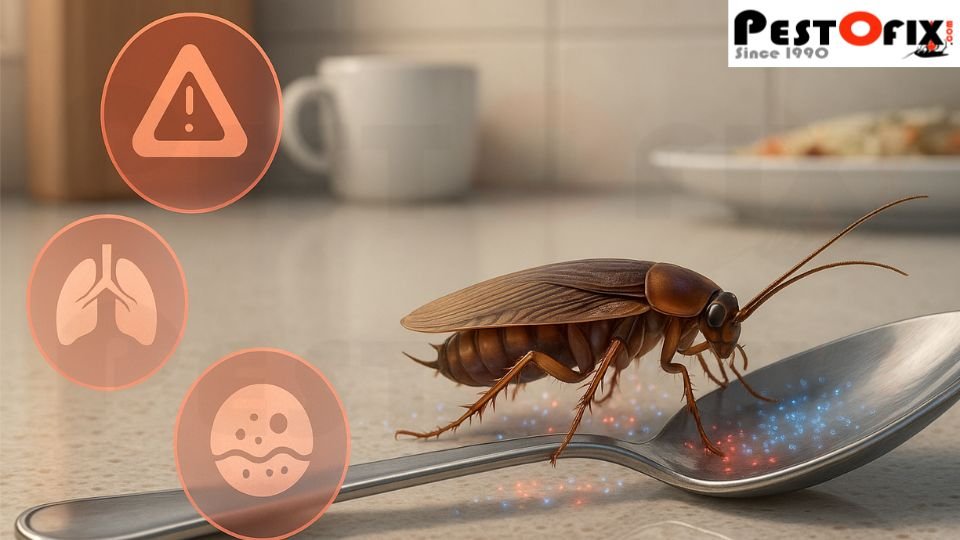
Modern homes offer the perfect environment for cockroach survival: warmth, moisture, food, and shelter. Even in the cleanest apartments, a few unsealed areas or damp corners can support colonies. Cockroaches prefer areas that remain undisturbed, warm, and near food sources — like the back of a refrigerator or under a bathroom sink.
- Abundant Food: Crumbs, grease, and organic waste sustain colonies.
- Moisture Access: Leaky faucets and wet drains are their hydration hubs.
- Hidden Shelter: Cracks, wall voids, and appliance gaps provide darkness and warmth.
- Ideal Temperature: Most species breed fastest between 25–30°C — the average indoor climate in Indian homes.
In India, urban kitchens are particularly vulnerable due to heavy moisture, frequent cooking, and structural gaps. Once cockroaches establish a breeding nest, they multiply exponentially — with one female producing up to 400 offspring in a lifetime. Within weeks, an unnoticed pair can grow into a thriving colony spanning multiple rooms.
How Professionals Target Cockroach Survival Mechanisms
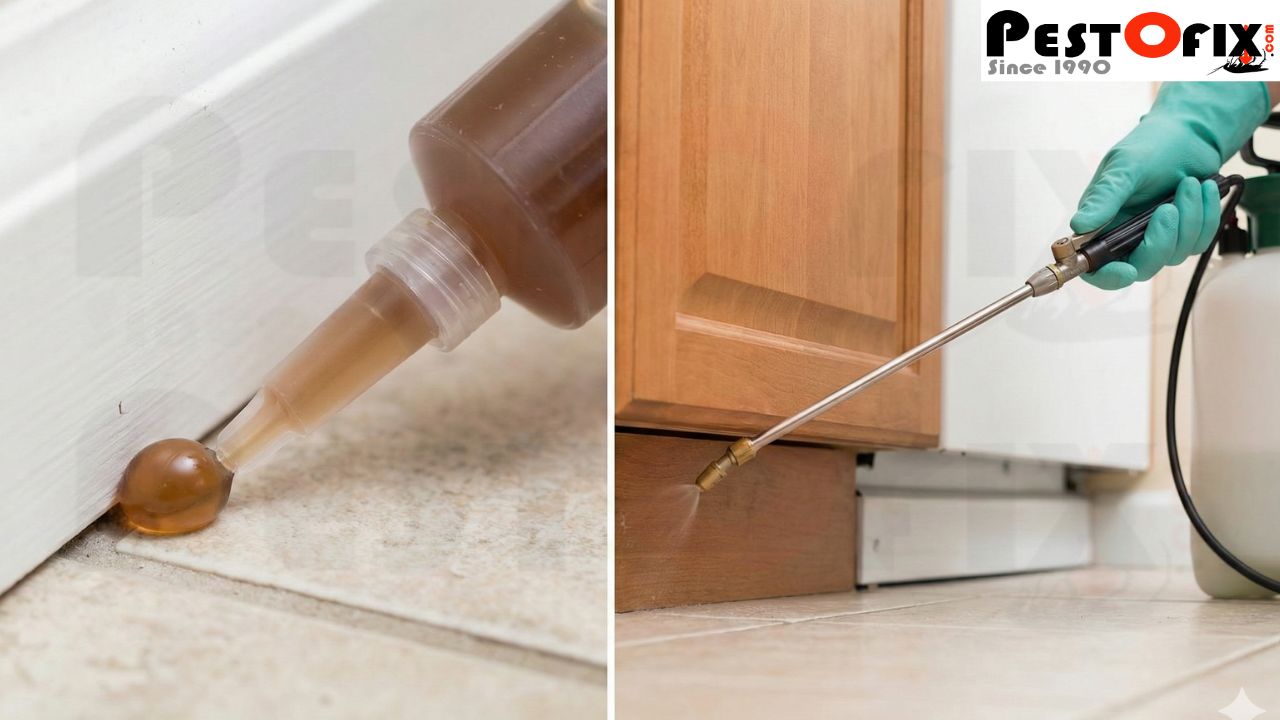
Because cockroaches are built to survive, professional control involves more than surface spraying. It requires precision, inspection, and the right combination of modern techniques. Pestofix technicians apply a three-stage method that disrupts the pest’s biology and habitat at once.
✅ Stage 1: Targeted Gel Bait
Gel bait is the modern standard for cockroach control. Applied in small, precise dots behind appliances, sinks, and drains, it attracts roaches through scent. Once consumed, the poisoned roach returns to its nest and transfers the toxin through feces and cannibalism — effectively spreading it throughout the colony. This “chain reaction” ensures complete eradication, even in hidden nests.
✅ Stage 2: Odorless Residual Spray
Pestofix uses eco-safe, low-odor residual sprays that adhere to surfaces such as tiles and skirting. These sprays kill cockroaches on contact and leave a protective film that remains active for several weeks. Unlike traditional sprays, these formulas are safe for families and pets, making them ideal for homes, restaurants, and healthcare facilities.
✅ Stage 3: Preventive Proofing
The final stage focuses on sealing entry points and improving sanitation. Technicians inspect drains, vents, door gaps, and electrical conduits — areas where roaches usually enter. By using silicone sealants and advising homeowners on hygiene improvements, Pestofix ensures long-term control rather than temporary relief.
This three-tiered approach is based on scientific entomology and field-tested techniques — bridging education and application for complete cockroach management.
📞 Request Free Site Inspection & Quote
Environmental Influence on Survival
Cockroach activity varies with climate and season. In warmer months, they breed aggressively; during winters, they migrate indoors seeking warmth. Indian cities like Delhi, Gurgaon, and Mumbai experience higher infestations post-monsoon due to rising humidity and decaying organic matter in drains.
Understanding these environmental influences helps homeowners plan preventive action at the right time. Pre-winter or pre-monsoon pest treatments can significantly reduce infestation risks later in the year.
Homeowner Prevention Tips
Even with professional treatments, preventive care plays a crucial role. By maintaining cleanliness and addressing small structural flaws, you can make your home far less attractive to these pests.
- Keep food sealed and stored in airtight containers.
- Clean kitchen floors and counters after every meal.
- Fix leaking taps and plumbing joints immediately.
- Dispose of garbage daily, especially organic waste.
- Install drain covers in bathrooms and kitchens.
- Use door sweeps and window meshes to block entry points.
- Schedule preventive pest inspections every 3–6 months.
These measures, when combined with professional gel treatments, create an inhospitable environment for cockroach survival — ensuring peace of mind and hygiene year-round.
Frequently Asked Questions
Can cockroaches really survive without food?
Yes. Depending on species and temperature, cockroaches can survive up to 30 days without food. However, they need moisture every few days, which is why damp environments attract them.
Why are DIY sprays not always effective?
Repeated chemical exposure has made many cockroach species resistant to standard insecticides. Modern gel bait and odorless treatments work differently — they use behavioral and biological weaknesses to ensure success.
Where do cockroaches hide during the day?
Cockroaches prefer dark, tight spaces such as under sinks, inside drain openings, behind stoves, and inside electrical panels. They rest during the day and emerge at night to feed.
Are odorless treatments safe for families and pets?
Yes. Pestofix uses eco-certified, low-toxicity formulations approved for residential use. They are safe for humans, pets, and kitchen areas when applied by trained professionals.
When should I call a professional pest control service?
If you frequently spot cockroaches in daylight or find multiple egg casings, droppings, or a musty odor, your infestation is already well established. Early professional intervention saves time, cost, and recurring discomfort.
How fast can cockroaches reproduce?
A single female can produce up to 30–40 eggs per capsule, and under ideal conditions, new roaches hatch within 30 days. This rapid reproduction is why infestations escalate so quickly.
Do cockroaches carry diseases?
Yes. They are known to carry bacteria such as Salmonella, E. coli, and other pathogens that cause diarrhea, typhoid, and food poisoning. Their droppings can also trigger asthma and allergies in sensitive individuals.
Conclusion
Cockroaches are the ultimate urban survivors. Their anatomy, behavior, and adaptability allow them to thrive in human environments despite sanitation efforts. Recognizing how they live — and why — helps in applying smarter, science-based control methods rather than relying on temporary DIY fixes.
Pestofix combines entomological understanding with advanced treatment techniques to offer lasting cockroach elimination. Our odorless gel and spray systems are designed to disrupt breeding, destroy colonies, and prevent future infestations — safely and effectively. Whether for your home, restaurant, or commercial kitchen, our expert inspection and tailored approach ensure complete peace of mind.
Don’t let these ancient survivors share your living space. Book a professional cockroach inspection today and restore hygiene, comfort, and confidence to your home.
No comments yet — be the first!