
Bed Bugs: Behavior, Infestation Patterns, and Control Measures
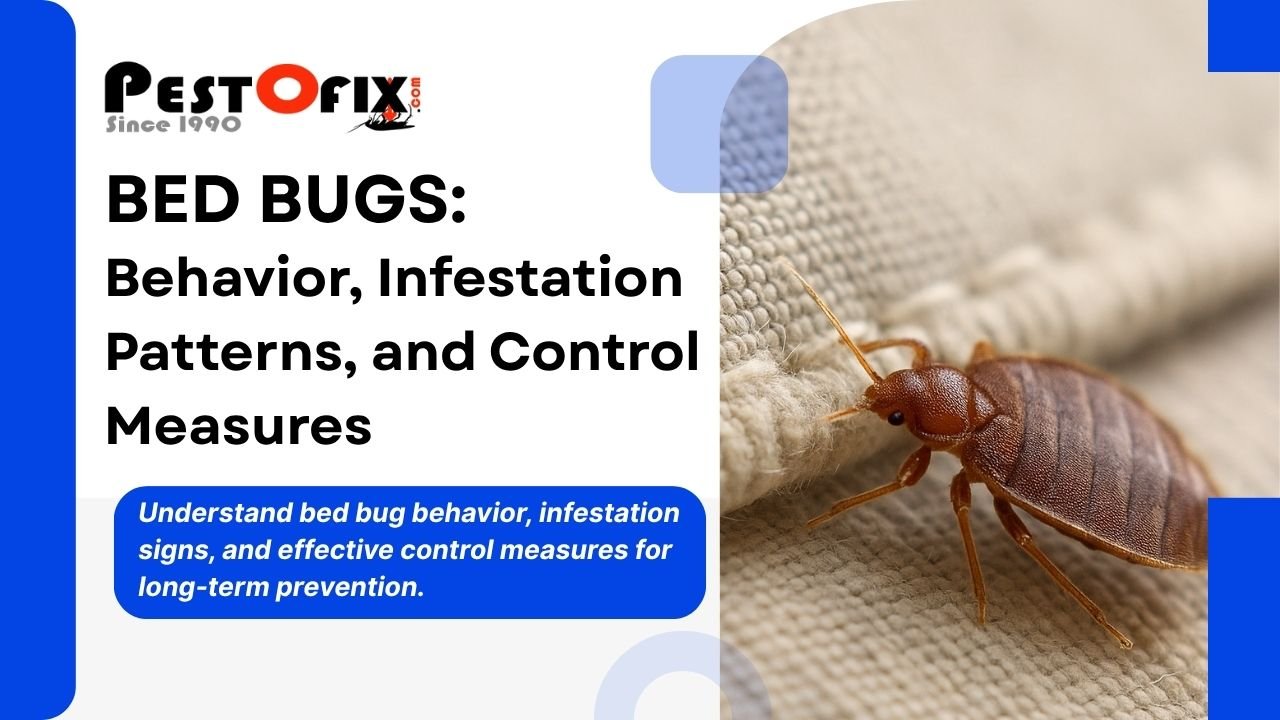
Bed bugs represent a unique and persistent challenge in urban entomology, differing fundamentally from pests like cockroaches in their biology and relationship with humans. As obligate blood-feeding parasites, their survival is tied exclusively to human hosts rather than environmental food sources. This comprehensive analysis examines the intricate behavior patterns, seasonal dynamics, and effective control strategies for these resilient insects.
1. Temperature and Seasonal Impact on Bed Bugs
Unlike cockroaches which depend on environmental humidity and food waste, bed bugs are exquisitely adapted parasites whose primary requirements are human blood and warmth. Temperature exerts a profound influence on their metabolism, reproduction, and survival.
- Optimal Warmth (25°C–32°C): This range represents peak activity where metabolic rates are highest, leading to frequent feeding and accelerated reproduction with egg-to-adult development completing in as little as 21 days.
- Cool Conditions (Below 15°C): Biological processes slow dramatically, development extends to several months, and females reduce or cease egg production while surviving for months without feeding.
- Indoor Climate Buffer: Modern heated homes provide year-round sanctuary, decoupling bed bugs from seasonal constraints and making them a perennial threat regardless of outdoor conditions.
Human Activity and Travel Patterns
Bed bugs are quintessential hitchhikers that follow human mobility patterns rather than environmental cues. Their global resurgence directly correlates with increased human travel and urbanization patterns.
2. Travel as Primary Infestation Vector
The movement of people through various accommodations and transit systems creates ideal conditions for bed bug transfer and establishment in new locations.
- Hotel and Lodging Transfer: Bed bugs commonly migrate via luggage, clothing, and personal items during hotel stays, with infestations often going undetected until populations become established.
- Seasonal Travel Peaks: Infestation reports consistently spike during summer vacation months and major holidays, corresponding with increased hotel occupancy and travel volume through major transit hubs.
- Public Space Transmission: Beyond travel, public transportation, cinemas, offices, and libraries serve as potential transfer points, while second-hand furniture represents a significant introduction risk.
3. Urban Environmental Amplification
Modern urban infrastructure creates ideal conditions for bed bug proliferation through concentrated human habitats and interconnected living spaces.
- Multi-Unit Building Spread: Apartments, condominiums, and dormitories enable easy migration between units through wall voids, utility conduits, and shared heating systems, transforming single-unit problems into building-wide infestations.
- Host Signal Concentration: Dense human populations provide consistent access to blood meals, while cluttered environments offer extensive harborage options near sleeping hosts.
- Hospitality Industry Challenges: Hotels and hostels face continuous reintroduction risks requiring proactive inspection protocols and rapid response systems to prevent establishment.
Detection and Control Methodologies
Effective bed bug management requires integrated approaches combining early detection, targeted treatments, and ongoing prevention strategies tailored to specific environmental conditions.
4. Proactive Monitoring and Inspection Protocols
Early detection through systematic monitoring provides the best opportunity for cost-effective intervention before infestations become established.
- Post-Travel Inspection Routines: Implement comprehensive luggage examination and clothing heat treatment protocols after travel, focusing on seam inspections and high-heat drying cycles.
- Interceptor Trap Deployment: Strategic placement of passive monitoring devices under bed legs and furniture components provides early warning of activity, particularly during high-risk seasons.
- Professional Assessment Standards: Regular professional inspections using visual examination and canine detection methods ensure identification of low-level infestations in commercial and multi-unit residential settings.
5. Integrated Prevention and Elimination Strategies
Successful long-term management combines multiple control methods while addressing the specific environmental factors that support bed bug survival and reproduction.
- Environmental Modification: Reduce harborage sites through decluttering, seal entry points with caulk, and install mattress encasements to limit establishment opportunities.
- Heat-Based Elimination: Utilize professional whole-structure heat treatments, localized steam applications, and clothes dryer cycles to eliminate all life stages without chemical resistance concerns.
- Targeted Chemical Applications: Implement strategic insecticide use focusing on residual formulations, IGRs, and desiccant dusts in void spaces while avoiding practices that promote pesticide resistance.
Conclusion: Towards Sustainable Management
Bed bug infestations represent a complex public health challenge requiring sophisticated understanding of insect biology and human behavior patterns. The interplay between temperature preferences, human mobility, and urban environments creates conditions for persistent infestation problems that transcend seasonal limitations. Successful management demands proactive monitoring systems, integrated control methodologies, and ongoing public education about prevention strategies. By recognizing bed bugs as a year-round threat influenced by human activity rather than seasonal patterns, property managers and homeowners can implement more effective, sustainable control programs that address both current infestations and future prevention needs.

No comments yet — be the first!