
Pre-Construction Anti-Termite Treatment: A Must
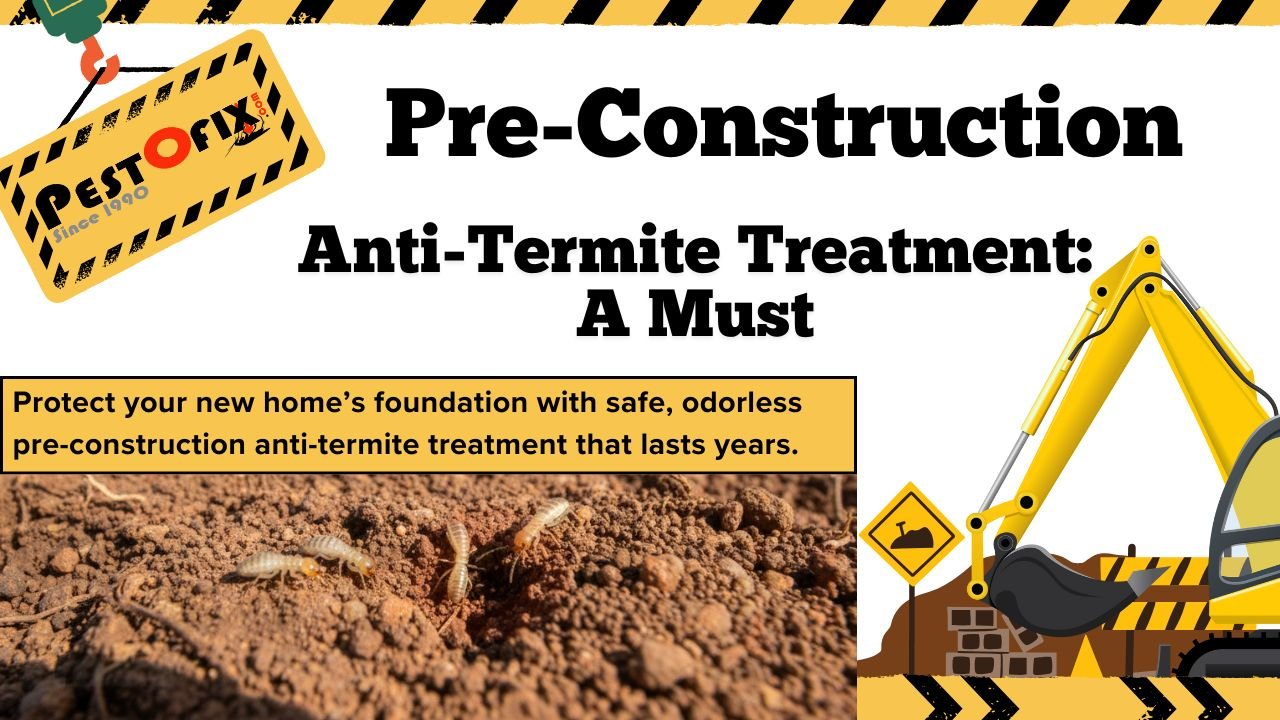
Why Pre-Construction Anti-Termite Treatment Is a Must
When you begin constructing your dream home, termites are probably not on your priority list. Yet, these silent invaders can cause massive structural damage long before you move in. They live deep underground and enter buildings through invisible gaps, feeding on wooden parts, paper, and even certain construction materials that contain cellulose. By the time signs like hollow doors or bubbling paint appear, the damage is already deep and costly to repair.
A pre-construction anti-termite control treatment is a preventive shield built beneath your foundation. It protects your entire structure from future infestations by blocking the entry of termites before the house is even completed. This one-time protection ensures that your walls, floors, and furniture remain safe and strong for decades.
Skipping this essential step during construction may save you a small amount now but could cost several times more later. It’s not an optional service—it’s an insurance policy for your foundation.
Understanding the Hidden Risk of Termites
Termites are known as “silent destroyers” because they work quietly from within, often unnoticed for years. They do not need open access or visible wood to start damaging your home. Even if your house is made of concrete, termites can find their way through cracks, joints, and concealed conduits. They create hidden tunnels and eat away at wooden fixtures, doors, window frames, flooring, and even electrical insulation.
What makes them dangerous is their persistence. Once a colony establishes itself near your foundation, it continues to expand, feeding continuously. Without preventive treatment, they can travel long distances underground and cause extensive structural damage.
What Happens If You Ignore Termite Prevention
Many new homeowners assume termite control is unnecessary until they face an infestation. However, termites don’t wait for permission—they exploit the tiniest gaps in your construction. Ignoring preventive care during the early stages can lead to the following problems:
- Termites can infest wooden door frames, skirting boards, wardrobes, and false ceilings from within.
- They weaken floors and walls by damaging materials that hold moisture or cellulose content.
- Continuous activity can result in cracks, hollow patches, and peeling paint.
- Repairs often require removing entire sections of flooring, furniture, or wall panels.
- Insurance and builder warranties may not cover termite-related damage if no preventive proof exists.
Once a termite infestation begins, complete eradication becomes more complex and expensive. Preventing their entry before construction is the only long-term and cost-effective solution.
How Pre-Construction Protection Helps
Pre-construction termite treatment acts as a defensive layer between your home and the termite colonies present in the soil. By treating the ground before the foundation is laid, you stop termites from entering through the base of your building. It essentially builds a safety wall that remains active long after the construction is complete.
This preventive barrier is created below the floor level, around structural points, and along external boundaries. Its effectiveness comes from full-site preparation, ensuring termites never find a path to the woodwork or internal structures of your home.
The best part—it’s done before any interior work starts, so you never have to disrupt your finished home later for pest control. Think of it as adding an invisible security system under your house that keeps working silently for years.
Why Timing Matters
The effectiveness of pre-construction termite protection depends heavily on when it’s carried out. It should be done at the earliest stage of building—ideally before the floor and foundation are permanently sealed. Once your home is completed, applying treatment to underground areas becomes difficult and less effective.
Early protection ensures that every corner beneath your foundation, including walls, flooring edges, and boundary areas, gets the coverage it needs. Delaying this step could leave hidden entry points exposed, which termites can exploit later. Treating at the right time gives your structure long-lasting strength and protection.
How to Know You’re Getting the Right Treatment
Since the treatment happens during construction, many homeowners never actually see the process. To make sure you’re getting genuine protection, keep these key points in mind:
- Always choose a licensed and experienced pest control company familiar with construction-site treatments.
- Ask for documentation or stage-wise reports showing the treated areas.
- Ensure the treatment covers all foundation zones, external boundaries, and floor areas.
- Confirm that an official treatment certificate will be provided after completion.
A reliable company won’t just promise protection—they will back it up with paperwork, photos, and a warranty. This serves as your assurance that your property’s foundation is truly termite-proof.
Cost Factors of Pre-Construction Termite Treatment
The overall cost of a pre-construction anti-termite control treatment varies depending on multiple factors rather than fixed rates. The size of your project, type of soil, design complexity, and selected treatment method all play a role. Every home layout is different, so a professional site evaluation ensures the right coverage for your structure.
Factors That Influence the Cost
- Construction Size and Layout: Larger or multi-level foundations require extended coverage.
- Soil and Moisture Conditions: Certain soils need deeper protection layers for best results.
- Accessibility: Narrow or uneven plots can increase time and effort needed for complete coverage.
- Choice of Method: Advanced, eco-friendly, or odorless formulations can slightly affect overall pricing.
- Warranty Duration: Longer warranty terms or multi-stage protection may involve higher service levels.
Instead of comparing only price tags, compare the depth of coverage, company reputation, and post-treatment support. A properly done pre-construction termite treatment is a one-time investment that prevents expensive future repairs. Request a professional site inspection and quotation to understand the ideal approach for your property.
📞 Request Free Site Inspection & Quote
Benefits of Getting It Done Before Construction
Carrying out termite protection before construction provides advantages that no post-construction method can match. Since everything is open and accessible, every vulnerable point can be secured effectively.
- Long-Term Protection: Once done, it safeguards your home for years without recurring effort.
- Zero Damage to Interiors: The treatment is done before flooring, walls, or interiors are finished.
- Comprehensive Coverage: Every critical point, from soil to plinth, receives equal protection.
- Peace of Mind: You build your home knowing the foundation is secure from future attacks.
- Better Resale Value: Certified termite-free properties attract higher buyer trust and confidence.
Common Misconceptions About Termite Treatment
There are several myths around termite control that cause people to delay or skip it entirely. Let’s clear up some common misunderstandings:
- “Concrete buildings don’t need termite treatment.” False. Termites can move through cracks, joints, and pipe gaps in any structure.
- “Termite control is only for old houses.” Wrong. Prevention works best during construction, not after infestation.
- “Once treated, termites can never come back.” Protection lasts many years but requires occasional inspection, especially around gardens or soil areas.
- “All treatments are the same.” Not true. Quality depends on technique, material, and company expertise.
How Long the Protection Lasts
When applied professionally, the protective barrier from a pre-construction termite treatment lasts many years. The longevity depends on environmental factors such as soil type, rainfall, and landscaping around the property. In most cases, the treatment remains effective for close to a decade with minimal upkeep.
Regular inspection of the outer perimeter, especially after major renovation or plumbing work, helps maintain the shield. Minor touch-ups around disturbed areas ensure your home remains termite-free for many more years.
Responsibilities of Builders and Homeowners
Confusion often arises regarding who should take responsibility for termite treatment during construction. In reality, both builder and homeowner share the duty. Builders typically manage structural construction, while homeowners should confirm that termite prevention is part of the building plan.
- Ensure the treatment is included in your construction contract.
- Confirm the pest control company is licensed and experienced.
- Ask for certification and warranty once the treatment is complete.
Having written proof of termite protection also helps in future property sales, loan approvals, and builder handovers.
Warranty and Certification
Professional termite protection companies provide certificates and warranties as proof of proper treatment. These documents mention the project address, date of completion, coverage area, and warranty validity. A warranty acts as a written commitment—if termites appear within the covered period, re-treatment is done at no extra cost.
Keep these documents safe. They are not only your assurance of protection but also a valuable record when selling or leasing your property.
Modern and Eco-Safe Termite Solutions
Today’s termite protection technology has evolved significantly. Modern methods emphasize safety, minimal odor, and eco-friendliness while maintaining long-term effectiveness. These solutions make termite protection suitable even for families with children, pets, or gardens around the property.
Choosing an odorless, environment-safe method ensures that construction continues without delay or discomfort. It also reflects a responsible approach to sustainability and health.
DIY vs Professional Approach
Although DIY kits are available in the market, termite prevention is not a project suited for experimentation. A professional team brings years of experience, proper safety measures, and precision equipment required for reliable coverage. Incorrect or incomplete application during construction can leave hidden gaps, which termites may exploit later.
Hiring professionals ensures every inch of your structure is safeguarded—something a do-it-yourself method simply cannot guarantee.
Maintaining Protection After Construction
Once the house is complete, your primary responsibility is to keep the protective barrier undisturbed. Avoid excessive digging, waterlogging, or landscaping that could expose treated soil. Regular inspections of wooden fixtures and wall corners will alert you early if any unusual activity occurs.
- Inspect the perimeter once a year for mud tunnels or small soil deposits.
- Avoid storing wood or cardboard directly on soil near the foundation.
- Maintain proper drainage to prevent moisture buildup near walls.
- Call professionals immediately if you notice flying termites or hollow sounds in wood.
Frequently Asked Questions
Is pre-construction termite treatment truly necessary?
Absolutely. It is a preventive foundation treatment that stops termites before they can invade your home, saving you from future damage and expenses.
Will this affect construction timelines?
No. The treatment is planned alongside other foundation activities, so it doesn’t cause project delays when scheduled properly.
Can termites still appear after treatment?
Rarely. With correct application and maintenance, the risk is minimal. However, annual inspection ensures continued protection.
Is the treatment safe for families and pets?
Yes. Modern methods use safe and low-odor formulations applied beneath the ground level, with no contact to indoor air or surfaces.
How long does the protection last?
Typically several years, depending on soil conditions and surrounding environment. Regular inspection helps extend its effectiveness.
What documentation should homeowners receive?
A treatment certificate, service report, and warranty document confirming the date, coverage, and company details.
Conclusion: Build Smart, Stay Protected
Your home is more than bricks and walls—it’s a long-term dream. Termites may be tiny, but their damage is enormous and often invisible until it’s too late. A pre-construction anti-termite control treatment is your best defense. It’s a small precaution that guarantees long-term peace of mind, strength, and safety for your family.
Remember, once construction is complete, reaching the core of your foundation becomes difficult. So act early, treat before you build, and protect your dream home from the ground up.
Ready to Secure Your Home?
Choose professional termite protection designed for new constructions. Get expert guidance, detailed evaluation, and certified assurance of safety.
- Safe and eco-friendly approach
- Detailed assessment of site and soil
- Warranty-backed protection for long-term peace of mind
- Trusted by homeowners and builders alike

No comments yet — be the first!