

Date: 30-Apr-2025
Think bed bugs are only a problem when you spot one crawling across your bed? Not quite. The truth is, by the time you physically see a bed bug, there’s a good chance the infestation has already taken root.
Bed bugs are elusive, quiet, and experts at hiding. They don’t make noise. They don’t always leave obvious signs. And many people go weeks—or even months—without realizing what’s happening under their own roof.

Whether you’re simply curious, slightly paranoid, or waking up with suspicious bites, this guide will help you spot the subtle early signs of bed bugs so you can take action before it's too late.
1. Unexplained Itchy Bites — Especially in a Line
One of the most common signs of bed bugs is waking up with small, itchy red bumps — often in straight lines or tight clusters. These bites are usually painless at first but may become inflamed or irritated after a few hours.
Common bite locations include:
- Neck and shoulders
- Arms and hands
- Back and legs
If you or a family member are consistently waking up with itchy spots in the same locations, don’t dismiss it. Bed bugs are nocturnal and feed at night, so you likely won’t catch them in the act.
2. Tiny Blood Spots on Your Sheets or Pillowcases
Another overlooked clue is small, rust-colored stains on your bedding. These may be drops of blood left from bites or crushed bed bugs that were accidentally rolled on during sleep.
These stains are typically:
- Light brown to dark red in color
- Small in size (pinhead to pencil dot)
- Found near the top of the bed or on pillowcases
Wash and inspect your sheets regularly — they can reveal a lot more than just laundry day dirt.
3. Black Specks or Fecal Spots in Hidden Areas
Bed bugs don’t just hide in beds. They nest in tight spaces near where you sleep or rest. Look for black pepper-like spots that are bed bug feces. These are usually digested blood and will smear slightly if rubbed with a damp cloth.
Key hiding places include:
- Mattress seams and tags
- Bed frame joints and behind headboards
- Baseboards, wall cracks, and electrical outlets
- Inside nightstands, dressers, and sofa cushions
If you’re seeing these spots, it’s a good indication that bed bugs have made themselves at home nearby.
4. A Musty, Unusual Odor in the Room
Bed bugs release pheromones that can create a distinct, musty odor — especially in larger infestations. This smell has been described as slightly sweet, like overripe raspberries or mildew.
If your room has a strange odor you can’t trace to laundry, trash, or food, it might be time to dig deeper and investigate potential hiding spots.
5. Finding Molted Skins or Shell Casings
As they grow, bed bugs shed their outer skin. These translucent shells are often found near their hiding spots and look like pale, curled-up versions of the bugs themselves.
You may find:
- Empty shell casings in mattress seams
- Molted skins behind wall hangings or under furniture
- Clusters of casings near the headboard or in drawer joints
Bonus Sign: Seeing a Live Bed Bug
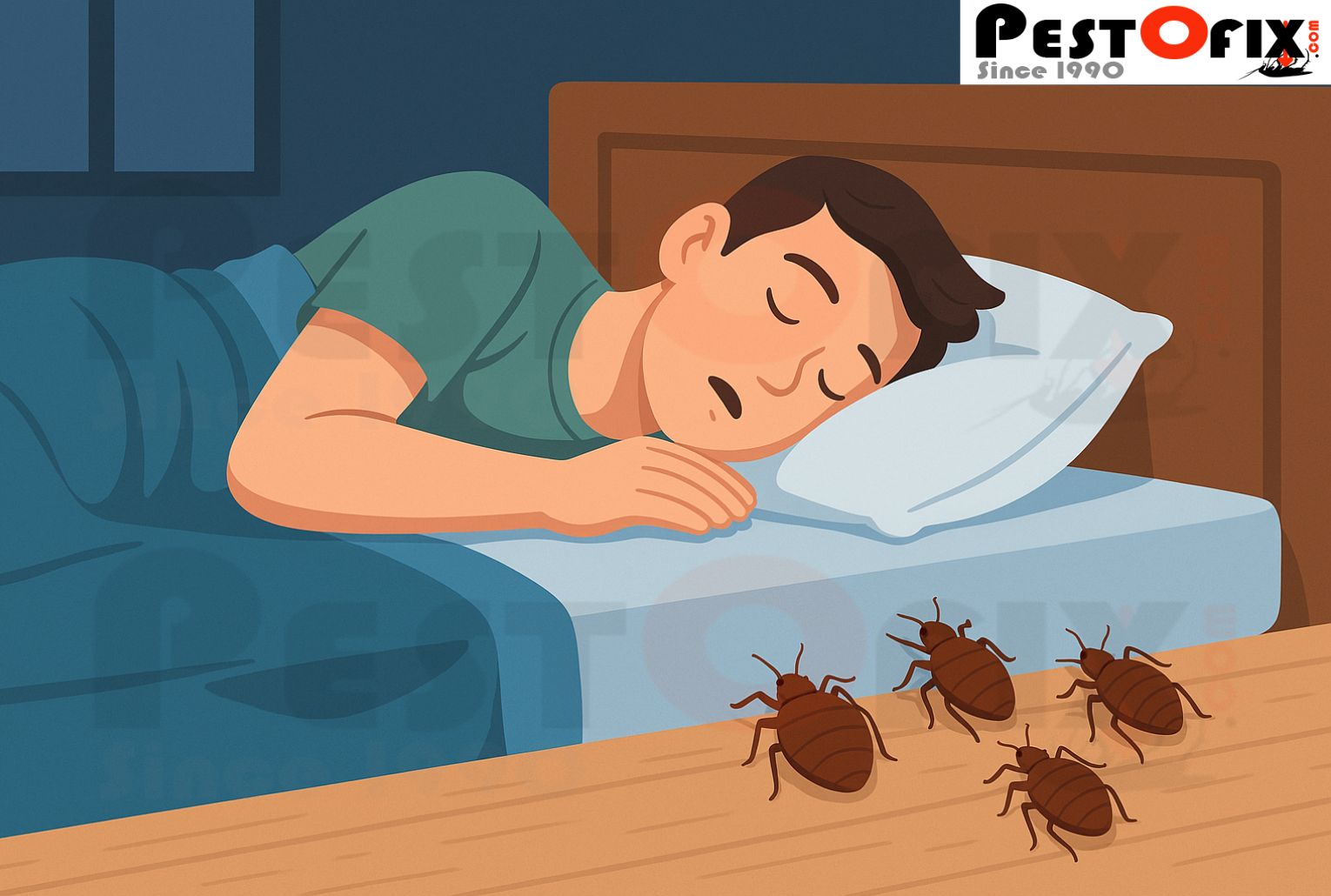
If you see a live bed bug — especially during the day — the problem may already be advanced. Adult bed bugs are about the size of an apple seed, reddish-brown, and flat. Don’t assume it’s just one — there could be dozens more nearby.
What to Do If You Notice These Signs
Spotting even one or two of the signs above should prompt immediate action. Bed bugs reproduce quickly — a single female can lay hundreds of eggs in her lifetime.
Here’s what to do first:
- Strip and wash all bedding in hot water, then dry on high heat
- Use a vacuum cleaner with a crevice tool to clean seams and cracks
- Seal infested items in plastic bags until professionally treated
- Avoid moving infested furniture — it spreads the bugs
- Schedule a professional inspection if you're uncertain
Most importantly: avoid using DIY pesticide sprays without proper knowledge. Over-the-counter products can scatter the bugs and make things worse.
Frequently Asked Questions (FAQ)
Can I have bed bugs and not know it?
Yes. Many infestations go unnoticed for weeks. Bed bugs are quiet, and not everyone reacts to their bites. You may miss early signs unless you're actively checking.
Do bed bugs only live in beds?
No. While beds are the most common area, they also hide in sofas, curtains, furniture, clothing piles, and even behind picture frames or outlet covers.
Can I get rid of bed bugs myself?
Minor infestations can sometimes be controlled with consistent heat treatment and cleaning, but most require professional extermination for complete removal.
How do bed bugs get into a clean house?
They often hitchhike on luggage, guests, secondhand furniture, or even from shared walls in apartments. Cleanliness doesn’t prevent them — vigilance does.
Are bed bugs dangerous?
They aren’t known to spread disease, but they can cause allergic reactions, anxiety, insomnia, and skin infections from scratching. Their psychological impact is often underestimated.
Final Thoughts
Bed bugs don’t care how clean or careful you are — they’re looking for one thing: a host. If you’ve read this far, chances are you’re either concerned, curious, or possibly already at risk. Don’t ignore the signs.
A regular inspection habit and awareness of the silent symptoms can save you from the stress and cost of a major infestation. If you’re unsure, take action early — bed bugs don’t go away on their own.
Because when it comes to bed bugs, silence isn’t golden. It’s a warning sign.