

 Get Estimate
Date: 10-September-2025 | By: Pestofix Team
When allergies flare up at home, most people blame pollen, dust, or seasonal weather changes. But here’s a fact few homeowners realize: household pests are one of the most overlooked triggers of allergies and asthma symptoms.
Cockroach droppings, dust mites, flea bites, and even shed insect skins can all act as powerful allergens. These microscopic particles circulate in the air, settle in furniture, and irritate your family’s lungs and skin every single day.
In this article, we’ll reveal the hidden link between pests and allergies, highlight the most dangerous culprits, and explain how professional pest control isn’t just about cleanliness — it’s about protecting your family’s health.
Why Pests Trigger Allergies: The Science You Didn’t Know
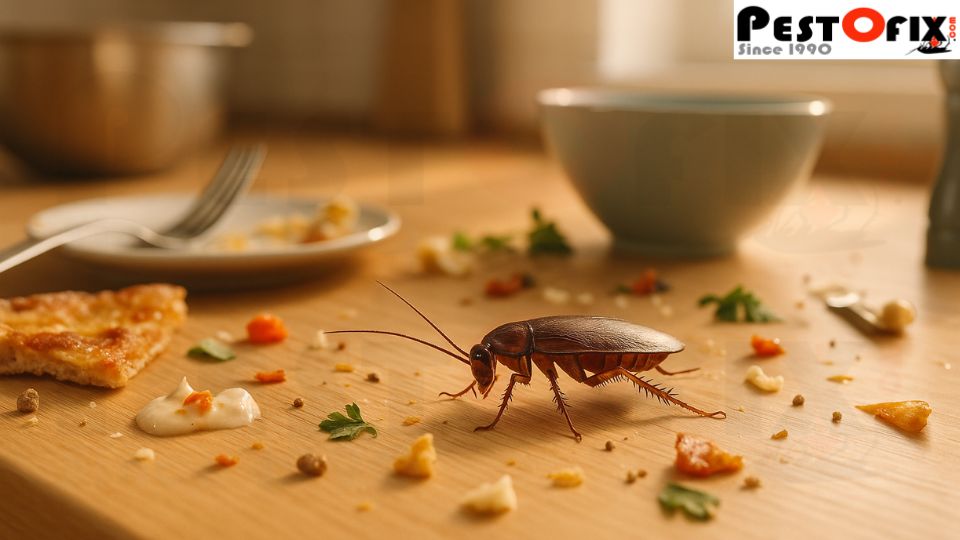
- Cockroach allergens – Droppings, saliva, and body parts can cause year-round allergic reactions.
- Dust mites – Microscopic pests that feed on dead skin cells and thrive in beds, carpets, and sofas.
- Fleas – Their bites and saliva can trigger rashes, itching, and allergic flare-ups in sensitive people.
Unlike pollen, which is seasonal, pest-related allergens remain active all year long. That’s why some families notice allergy symptoms worsening even when weather conditions improve.
Common Household Pests That Secretly Cause Allergies
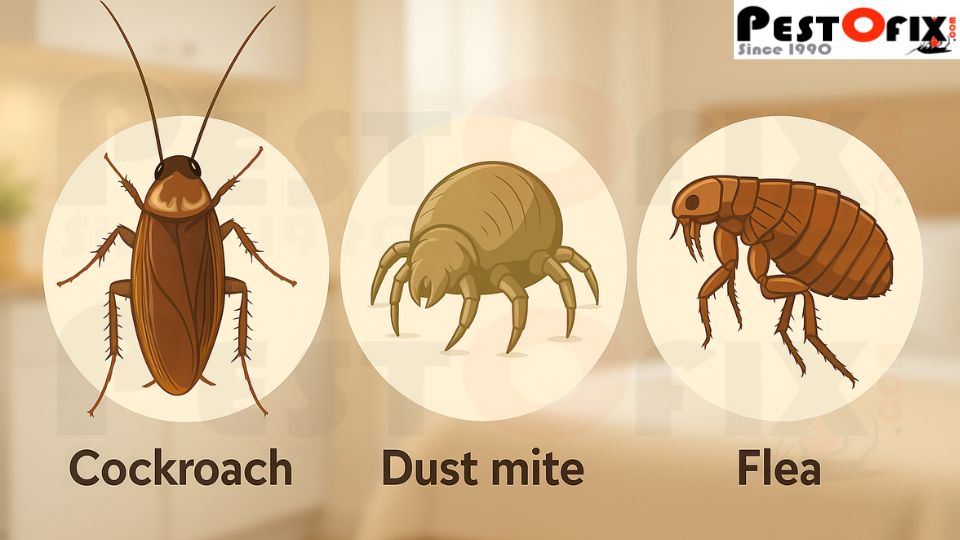
Top Allergy-Causing Pests
- Cockroaches – Found in kitchens and bathrooms, leaving allergenic particles in food prep areas.
- Dust mites – Invisible to the naked eye but present in nearly every mattress and pillow.
- Fleas – Often carried indoors by pets, they can cause skin reactions and allergic responses.
Even pests you rarely see can leave traces that linger for months. For example, cockroach allergens can remain active in house dust long after the infestation has been removed — unless deep cleaning and professional pest control are performed.
How Pest Allergies Affect Children and Families
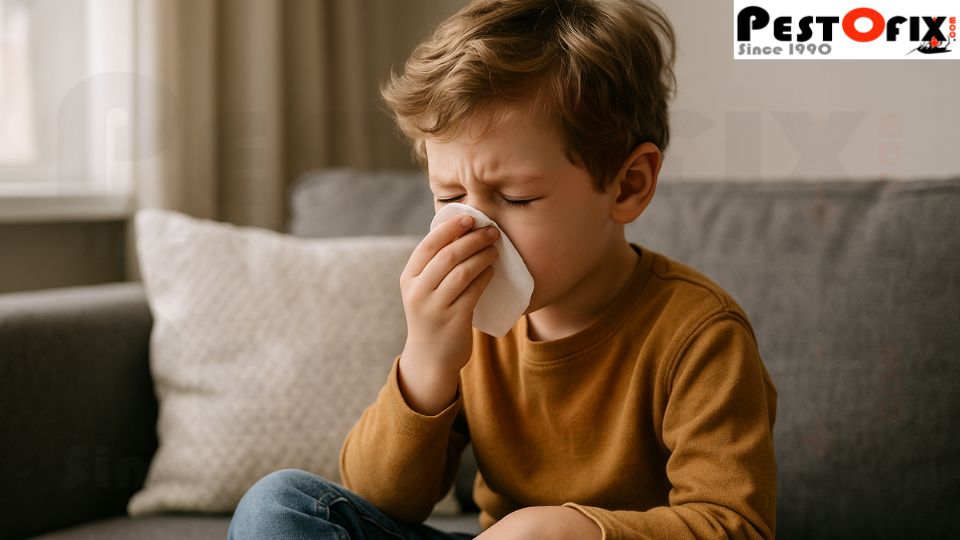
- Worsening asthma – Children exposed to cockroach allergens are twice as likely to develop severe asthma.
- Skin reactions – Dust mites and fleas can cause rashes, itching, and eczema flare-ups.
- Sleep disruption – Allergens in bedding cause blocked noses, constant coughing, and restless nights.
- Reduced immunity – Continuous allergen exposure weakens the immune system over time.
- Mental stress – Parents feel helpless seeing children suffer, leading to anxiety and frustration.
Families often spend heavily on medicines and air purifiers, but without addressing the root cause — hidden pests, symptoms never truly go away.
Why DIY Sprays Fail to Stop Pest Allergies
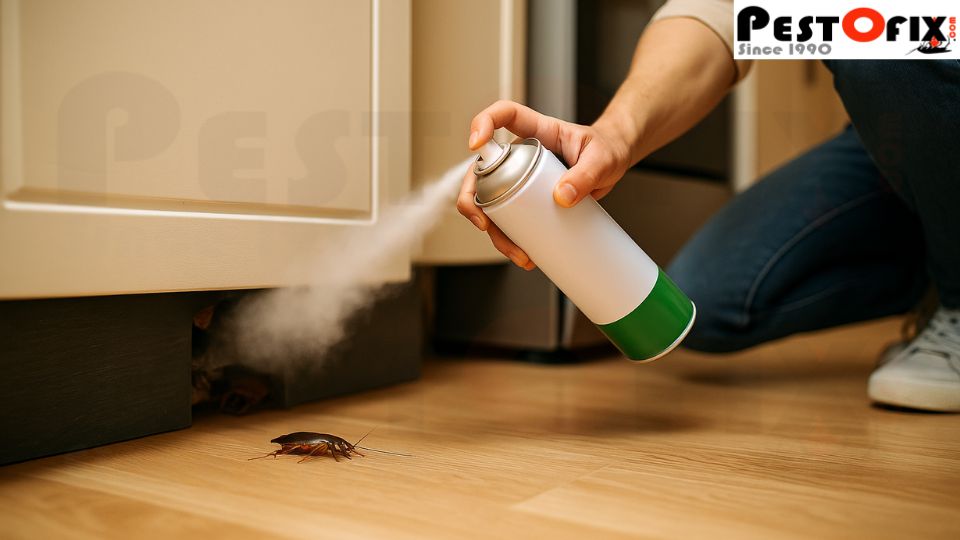
- Sprays only kill pests you see, not hidden colonies or allergen particles already in the air.
- Most DIY products contain chemicals that can worsen respiratory irritation.
- Hidden nesting areas in beds, sofas, and corners remain untreated.
The result? Families keep spraying but allergies continue — because the real problem lies in invisible allergen buildup. Only a professional pest management approach combines targeted extermination with allergen reduction techniques.
How Professional Pest Control Protects Your Family’s Health
- Comprehensive inspection – Identifies hidden nests and allergen hotspots.
- Child & pet-safe solutions – Ensures treatments don’t harm vulnerable family members.
- Long-term prevention – Blocks re-infestations through sealing, sanitation, and AMC plans.
- Improved indoor air quality – Reduces airborne allergens for healthier breathing.
Final Thoughts
The truth is, allergies at home are not always about pollen or pollution. Household pests are silent contributors to year-round allergy problems. From cockroach allergens to dust mite particles, these triggers can seriously affect your family’s health and quality of life.
The good news? You don’t have to suffer in silence. With professional pest control and regular maintenance, you can eliminate hidden allergens, protect your loved ones, and finally breathe easy at home.