

Date: 27-September-2025 | By: Pestofix Team
Spiders often seek shelter indoors as seasons change, especially during late summer and fall. Many homeowners attempt quick DIY methods, such as sprays, essential oils, or sticky traps, but these provide only temporary relief.
This blog provides a complete guide on spider behavior, temporary control methods, professional spider treatments, preventive strategies, and expert insights from licensed pest control services.
Let’s explore why DIY solutions often fail, and how professional interventions can truly keep your home spider.
Why Spiders Keep Coming Back Despite DIY Efforts
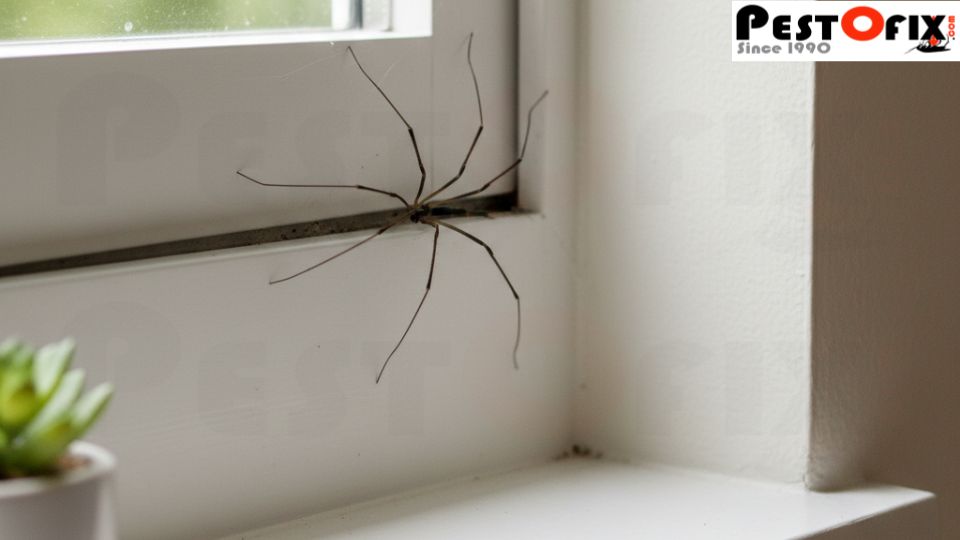
Common DIY Methods and Their Limitations
- Vinegar Sprays: Temporary repellents that affect only visible spiders.
- Peppermint or Essential Oils: Mild deterrents that spiders can adapt to over time.
- Sticky Traps: Capture only wandering spiders, missing nests and egg sacs.
- Cleaning and Sweeping: Removes webs but does not eliminate spiders hiding in inaccessible spots.
DIY solutions may reduce spider sightings temporarily but cannot reach hidden nests or egg sacs. Spiders are resilient, adaptable, and able to re-enter your home through small cracks and openings.
Temporary Measures You Can Try at Home
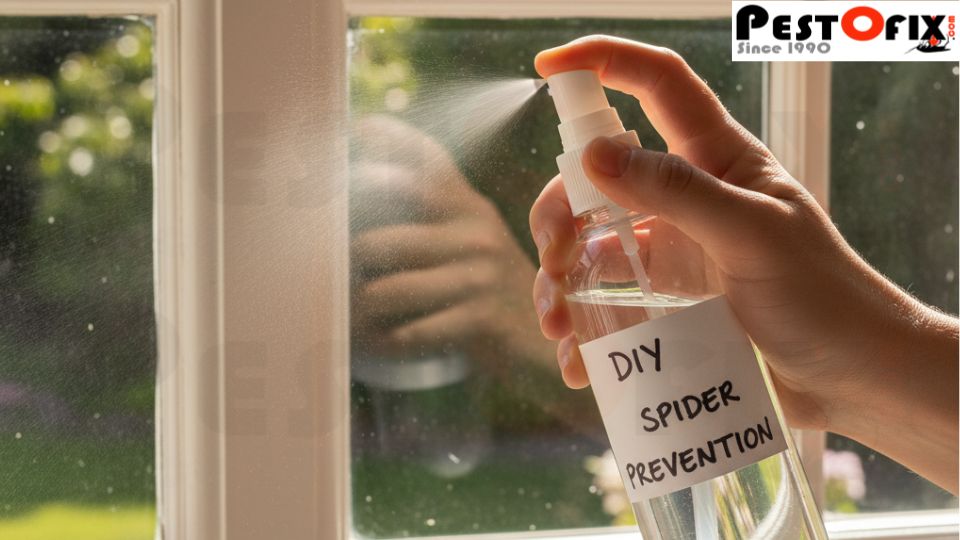
- Seal Cracks and Gaps: Use caulk or weather-stripping around doors, windows, and vents.
- Reduce Clutter: Keep storage areas organized and elevated to remove hiding spots.
- Remove Webs Regularly: Vacuum or sweep corners, behind furniture, and attics.
- Control Outdoor Lighting: Spiders are attracted to insects drawn by lights; reposition or reduce lights near entrances.
- Use Sticky Traps: Monitor spider activity while waiting for professional treatment.
- Maintain Cleanliness: Vacuum and dust regularly to reduce insect prey that attracts spiders.
These methods provide temporary relief and preventive support, but they cannot eliminate infestations completely.
Professional Spider Control: The Long-Term Solution
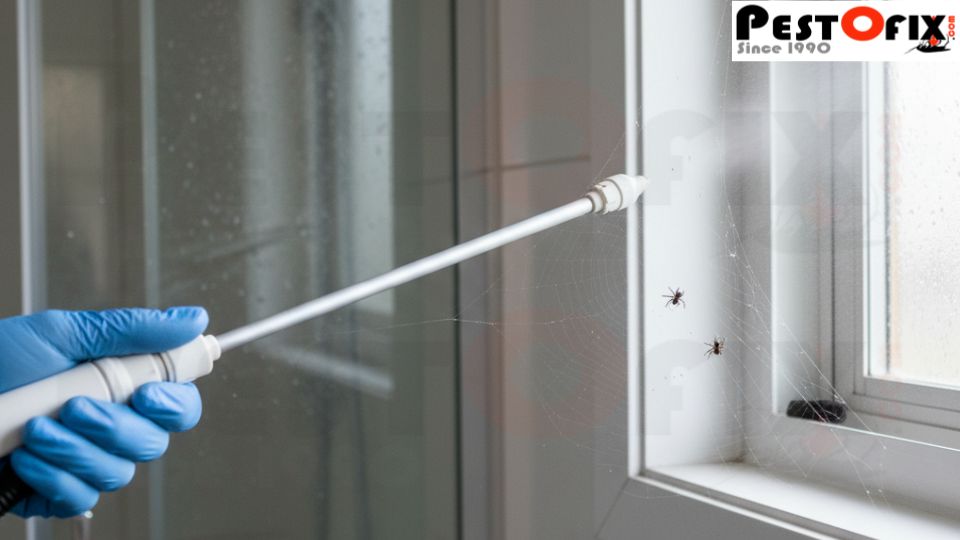
1. Comprehensive Inspection
Professional pest control experts inspect your entire home, locating hiding spots, entry points, and identifying spider species. This step is critical because different species require different control approaches.
2. Targeted Treatment
Licensed professionals apply specialized, safe, and effective treatments that reach hidden spiders and egg sacs. Residual sprays and barriers help prevent re-infestation.
3. Species-Specific Knowledge
Venomous species like black widows or recluse spiders require expert handling. Professionals ensure safe removal without risk to household members or pets.
4. Long-Term Prevention
Experts provide strategies for ongoing prevention, including structural repairs, sealing entry points, habitat modification, and monitoring programs to detect future infestations early.
5. Time and Peace of Mind
Hiring professionals saves time and effort compared to repeated DIY attempts, while ensuring effective and lasting control.
Signs You Need Immediate Professional Help
- Large infestations appearing in multiple rooms simultaneously.
- Presence of venomous spiders such as black widows or recluse spiders.
- Bites or allergic reactions in household members.
- Repeated DIY failures indicating deeper infestations.
Preventive Tips to Reduce Spider Activity
- Maintain a clean environment by regular vacuuming and dusting.
- Seal potential entry points including doors, windows, vents, and cracks.
- Manage outdoor landscaping by trimming shrubs and keeping firewood away from the house.
- Control outdoor lighting to reduce insects that attract spiders.
- Inspect basements, attics, and garages regularly for early detection.
FAQs About Spider Control
- Can DIY methods permanently eliminate spiders?
No. DIY solutions only provide temporary relief; professional treatments are required for permanent control. - Are all spiders dangerous?
Most spiders are harmless, but venomous species require professional removal. - How often should professional spider control be done?
Typically 2–4 times per year depending on infestation risk and home environment. - Are professional spider treatments safe for children and pets?
Yes. Licensed pest control companies use targeted, safe treatments following strict safety protocols. - Can controlling insects reduce spider activity?
Yes. Reducing other pests in your home naturally reduces the food source for spiders.
DIY vs Professional Treatment
- DIY Treatments: Provide short-term relief but fail to address hidden spiders and egg sacs effectively.
- Professional Treatments: Ensure comprehensive inspections, targeted applications, and long-term monitoring.
Key Preventive Measures After Treatment
- Seal gaps, cracks, and vents throughout the home.
- Maintain clean and clutter indoor spaces.
- Trim outdoor vegetation and avoid direct contact with walls.
- Monitor regularly to catch any new spider activity early.
Conclusion: Temporary DIY Solutions vs Lasting Professional Control
While DIY spider control methods can provide some short-term relief, they rarely eliminate infestations completely. Professional spider control ensures long-term protection through targeted treatments, inspections, and preventive strategies.
By combining temporary measures, preventive habits, and expert interventions, homeowners can enjoy a spider home with peace of mind and safety.